
Where heritage meets growth, and opportunity meets ambition.
Bhopal is a city where time does not stand still—it evolves, adapts, and inspires. From the prehistoric rock shelters of Bhimbetka, which trace human existence back over 30,000 years, to the visionary urban planning of Raja Bhoj, Bhopal has always been a city ahead of its time.
Founded on principles of sustainability, water management, and structured urban design, Bhopal represents one of the earliest examples of intelligent city planning in India. The legacy continued through centuries—from the rule of powerful dynasties to the progressive governance of the Begums, who transformed the city into a center of culture, education, and architectural brilliance.
Post-independence, Bhopal emerged as the capital of Madhya Pradesh, evolving into an administrative, cultural, and educational hub. Today, it stands at a pivotal moment— ready to transform into a global city while preserving its soul.
Bhopal is not just built on history—it is built for the future.
Bhimbetka, Shyamla Hills and Kathotia establish a powerful prehistoric connection to the Bhopal region. Water, natural shelter, favourable climate, forests and biodiversity made the region naturally suited for human habitation.
Raja Bhoj transformed the relationship between the city, water and its surroundings. Bhoj Tal became an extraordinary example of water engineering, while the principles associated with his Samarangana Sutradhara demonstrate an approach to architecture, planning, functionality and sustainability.
Bhopal was thinking about sustainable urban planning centuries before "smart city" became a modern expression.
The region passed through the influence of the Delhi Sultanate, Malwa Sultanate and later the Mughals. Its strategic location continued to give Bhopal political and geographical significance.
Rani Kamlapati, the Gond queen, remains deeply connected with Bhopal's cultural and architectural identity. Her palace and the surrounding lake continue to be iconic symbols of the city.
Dost Mohammad Khan established the Bhopal State and laid the foundations of a fortified town, including Fatehgarh Fort, shaping the city's early modern identity.
Four successive women rulers governed Bhopal and contributed significantly to its administrative, educational, architectural and social development. Long before conversations around women-led governance became mainstream, Bhopal had already written its own chapter.
During the colonial period, Bhopal developed railway infrastructure, administrative institutions and educational facilities that later supported its transition into a modern capital.
Following India's independence, Bhopal's integration into the Indian Union culminated on 1 June 1949, marking the end of princely rule and the beginning of a new era.
The reorganisation of states in 1956 brought Bhopal into Madhya Pradesh and established it as the state capital. This was a defining moment. The city began expanding its role in governance, education, infrastructure, culture and industry.
The establishment of BHEL in the 1960s transformed Bhopal's industrial identity and created employment at scale. This became the bridge from Historical Bhopal to Industrial Bhopal to Opportunity Bhopal.
Between 1819 and 1926, Bhopal was governed by four successive women rulers. Their period of governance became an important chapter in Bhopal's administrative, educational, architectural and social development.
The Begums promoted education and contributed to major architectural landmarks including:
Long before conversations around women-led governance became mainstream, Bhopal had already written its own chapter.
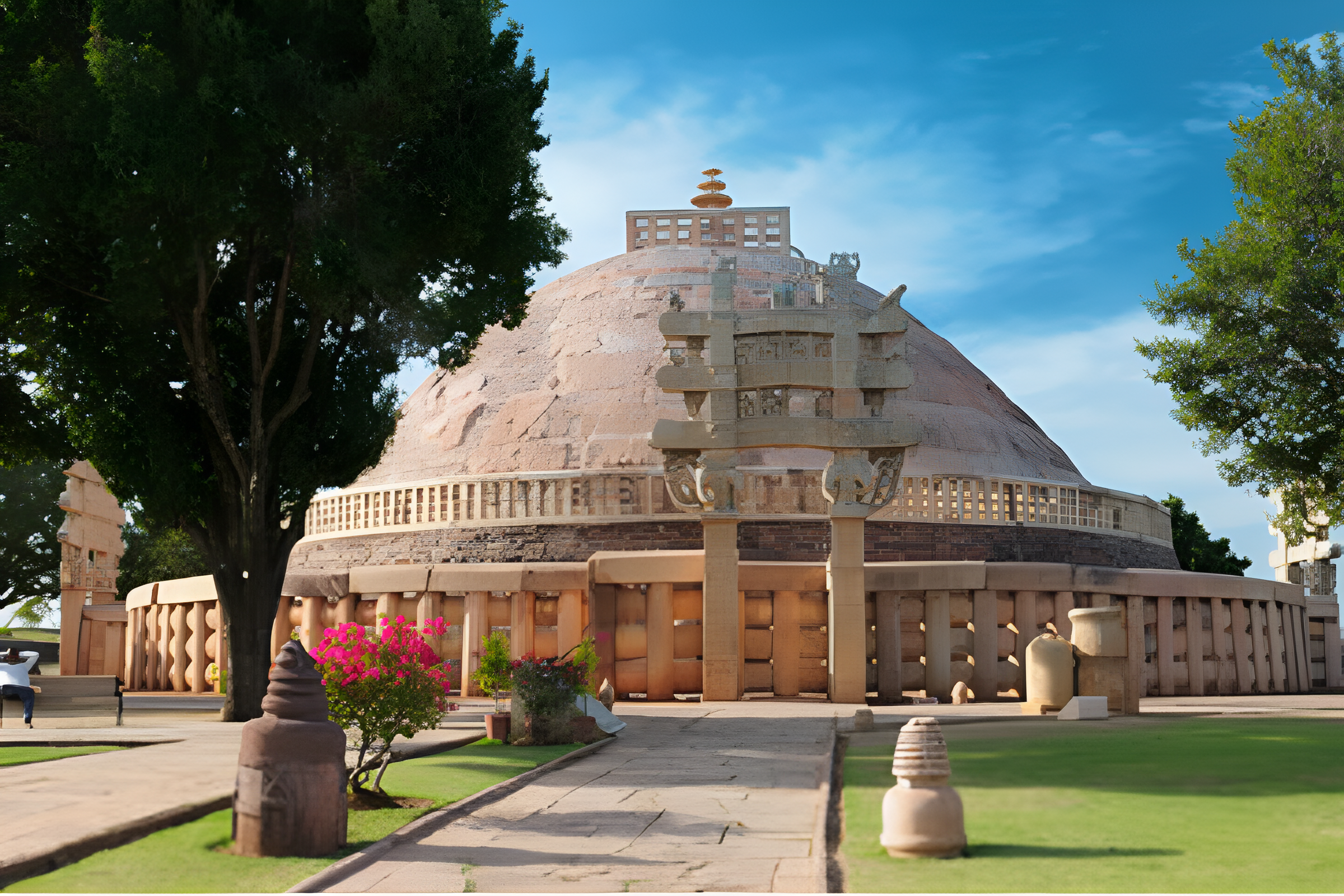
The tragedy of December 1984 left a profound human and social impact on Bhopal. The decades that followed were marked by rehabilitation efforts, economic rebuilding and a gradual reshaping of the city's identity through education, tourism and culture.
Bhopal's resilience in the face of adversity is a testament to the spirit of its people and their determination to build a better future.
The decades following 1984 saw the growth of:
Indian Institute of Forest Management
Premier judicial training institution
Bharat Bhavan and more
Modern mobility and digital governance
Today Bhopal combines nature, culture, education, industry, governance, healthcare, technology and infrastructure. It is a green city, educational hub, industrial base, emerging IT centre, transport hub, tourism gateway, administrative centre, affordable real-estate destination and emerging skills hub.
Today, Bhopal stands at a pivotal moment—ready to transform into a global city while preserving its soul.